
“Our stories are our power. I write the books I wish had been written for me.”
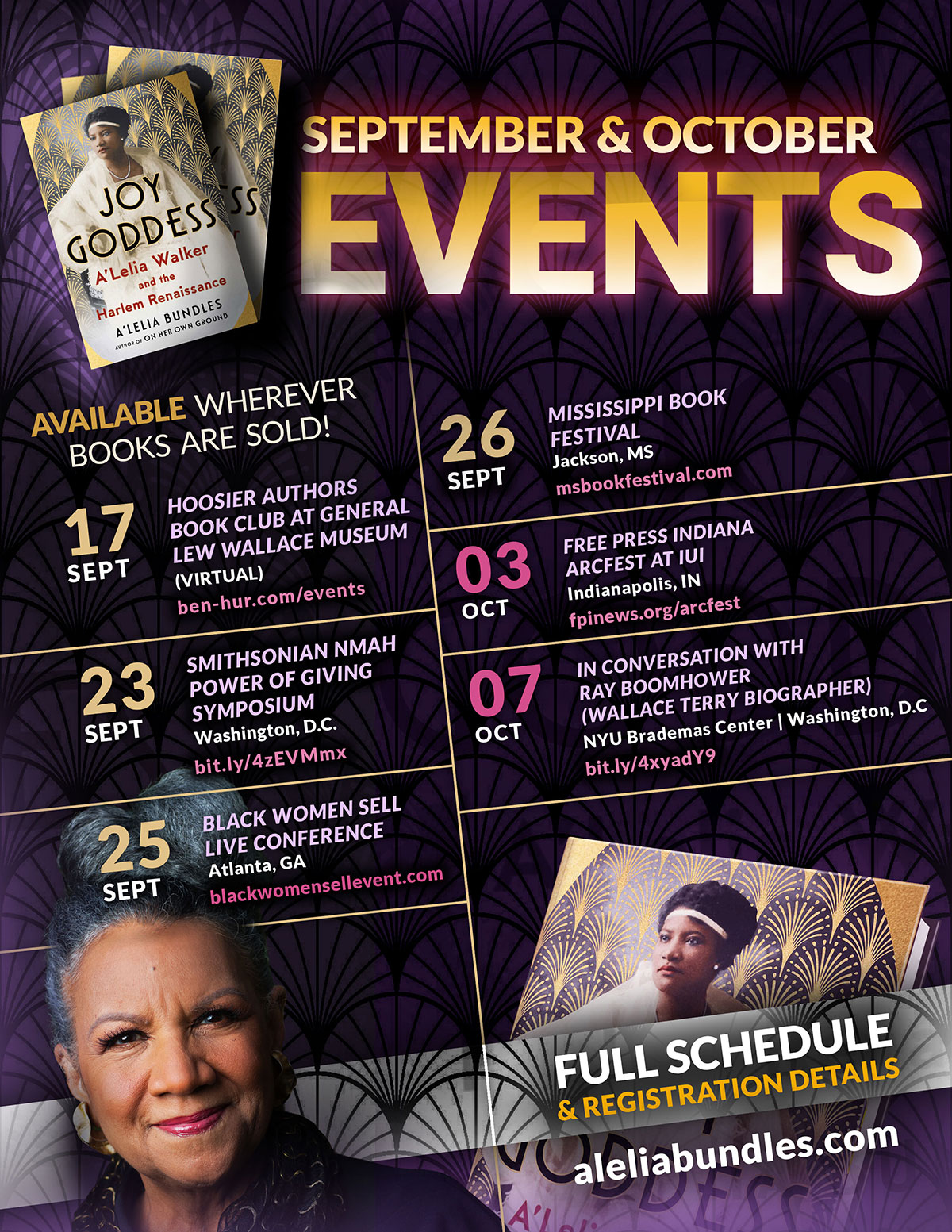

JOY GODDESS: A’Lelia Walker and the Harlem Renaissance is a vibrant, deeply researched biography of A’Lelia Walker – daughter of Madam C. J. Walker and herself a central figure of the Harlem Renaissance – written by her journalist great-granddaughter, A’Lelia Bundles.
During the 1920s, A’Lelia Walker was an internationally famous heiress as comfortable at the opera in Paris as she was at the annual Howard-Lincoln football classic. Her glamorous soirees were so memorable that poet Langston Hughes dubbed her “the joy goddess of Harlem’s 1920s.”
Long overshadowed by her mother’s legacy, A’Lelia Walker’s radiant personality, impresario instincts and international travels are brought to life in JOY GODDESS through her voluminous personal correspondence and a trove of archival research.
Joy Goddess:
A’Lelia Walker and the Harlem Renaissance
“This is a story of Black wealth and talent, and the universals of love, legacy, death, taxes, inadequacy, resilience, and hair—in other words, the things that belie Joy…The movie script practically writes itself!?”
“A sumptuous feast. . . Joy Goddess glitters with drama, intrigue, and spectacular detail…In this sparkling tragedy, the Black elites and celebrity artists of the 1920s emerge as fully human –talented, imaginative, and flawed.”
“A page-turner. . .The heartaches and triumphs, the opulent literary salons…the nurturing of a generation of Black artists, all the rich material of A’Lelia Walker’s life will transport and inspire readers.”
FAQs
What inspired the title "Joy Goddess: A’Lelia Walker and the Harlem Renaissance?"
In his memoir, The Big Sea, poet Langston Hughes called A’Lelia Walker “the joy goddess of Harlem’s 1920s” because of her glamourous parties and her support of Black writers, artists, musicians and actors at her Dark Tower cultural salon during the Harlem Renaissance.
What is your earliest memory of A’Lelia Walker?
When I was three or four years old, I discovered some of A’Lelia Walker’s personal belongings in my grandmother Mae Walker Perry’s bedroom. I remember opening a dresser drawer and seeing mother-of-pearl opera glasses and an ostrich feather fan. I was especially excited about a dozen or so miniature mummy charms with colorful enamel accents. Years later when I found the receipt from Abercrombie & Kent Arouani, I confirmed that she had bought them in Cairo in 1922.
When did you first become interested in writing about A’Lelia Walker?
I was first drawn to A’Lelia Walker’s story when I was a senior in high school in 1970 and searching for a topic for my Black culture humanities class. My mother reminded me that we had A’Lelia Walker’s letters from the 1920s and books from her personal library by Harlem Renaissance authors like Jean Toomer, Countee Cullen and James Weldon Johnson. At a time when I was craving knowledge about the Black history that was missing from my high school history textbooks, it was exciting to discover that I had a personal connection to someone who knew the novelists and poets I was learning about. I still have that report! And, to my surprise, what I wrote about the cultural, political and economic issues of the Harlem Renaissance still holds up.
What were some of the challenges you faced in telling A’Lelia Walker’s story?
My biggest challenge was untangling all the misinformation and myths about her! While A’Lelia Walker is mentioned in many Harlem Renaissance histories, I realized that the same inaccurate paragraphs have been recycled in several well-known books and articles. Once I immersed myself in reading her personal letters and was able to interview some of her friends, I began to get a clearer picture of her personality, her relationships, her support of the arts, her international travels and what it meant to be the daughter of an icon like Madam C. J. Walker.
Another challenge was the sheer volume of material. While most people who are writing about early twentieth century women and African Americans struggle to find primary sources, I had an overwhelming trove of information. In addition to the letters, photographs, legal documents, clothing and furniture in my personal Madam Walker Family Archives, there are more than 40,000 items in the Madam Walker Collection at the Indiana Historical Society.






About A’Lelia
An award-winning journalist and author, A’Lelia is the author of Joy Goddess: A’Lelia Walker and the Harlem Renaissance and On Her Own Ground: The Life and Times of Madam C. J. Walker. She is founder of the Madam Walker Family Archives, the largest private collection of Walker letters, photographs, ephemera and memorabilia. A former network television executive and producer at ABC News and NBC News, she serves on several nonprofit boards and has appeared on ABC, NBC, CBS, PBS, C-Span, NPR and BBC and spoken at Harvard Business School, Spelman College and dozens of corporations, book festivals and women’s conferences. Here’s her bio
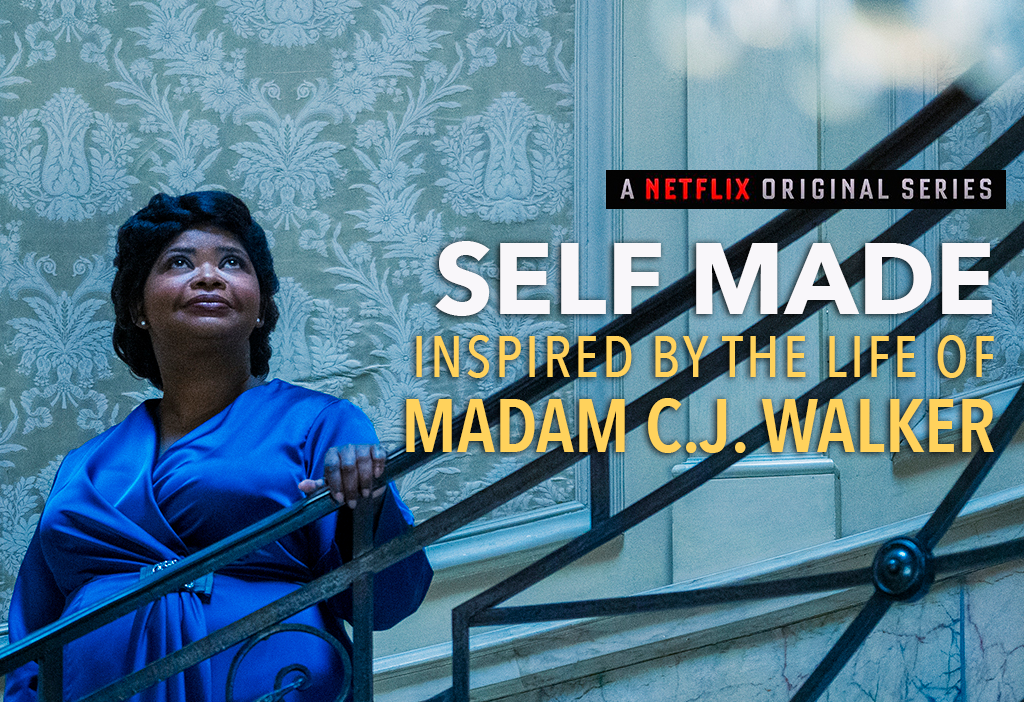
Based on the Life of Madam C.J. Walker
A’Lelia’s Non-Fiction Biography On Her Own Ground is the “inspiration” for Self Made, the fictional 4-part Netflix series starring Octavia Spencer.
Want to know what’s fact and what’s fiction? Click here to learn what A’Lelia thinks about the series.

The Story
A’Lelia’sEVENTS
FeaturedBooks
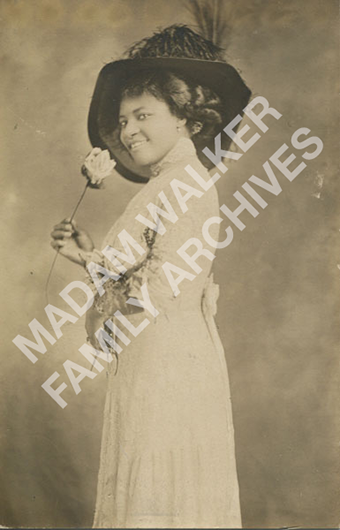
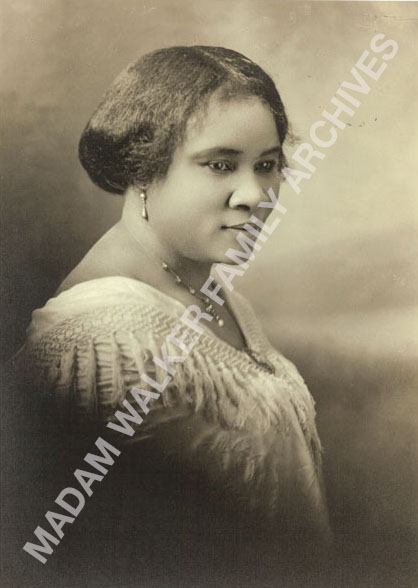
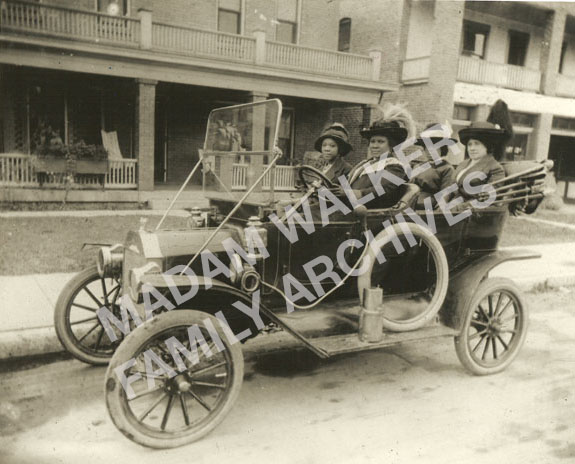
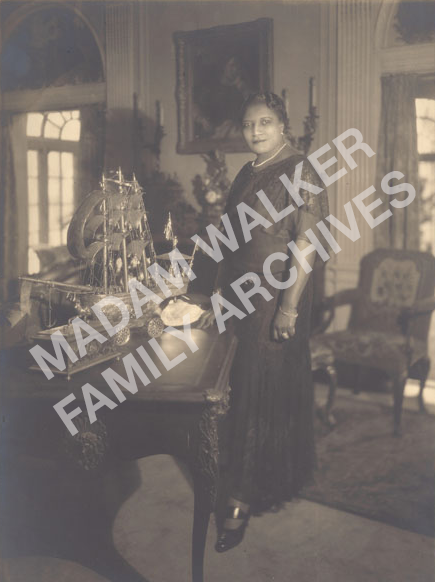
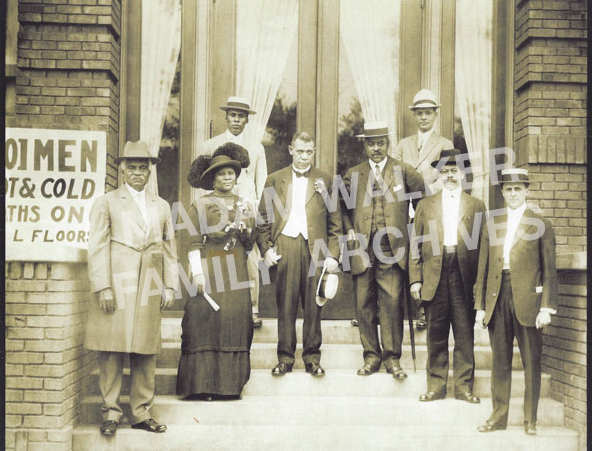
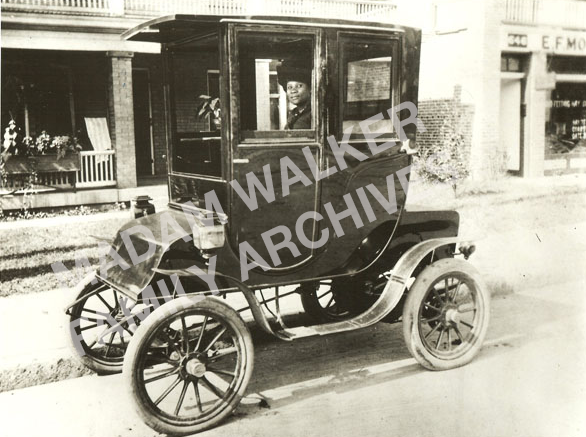
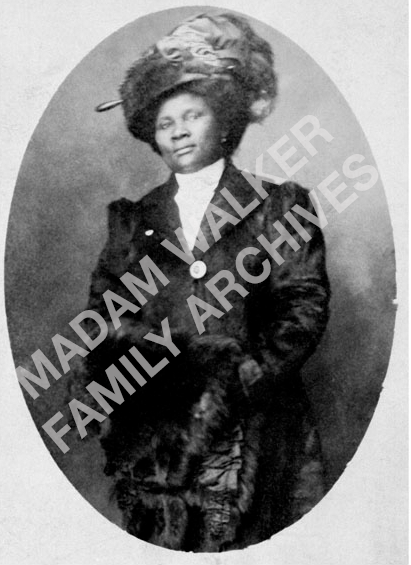
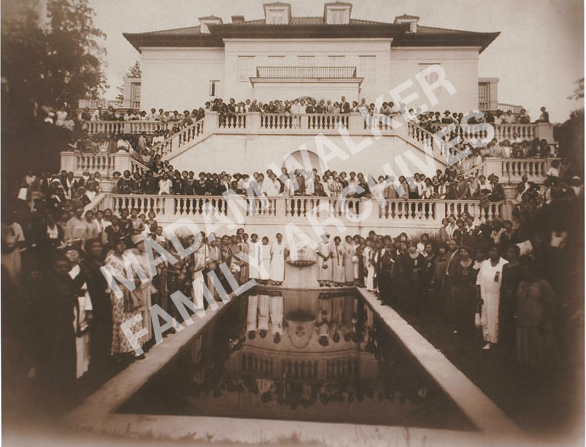
The Madam Walker Family Archives is the official licensing source for photographs of Madam C. J. Walker and A’Lelia Walker. Original photographs that were commissioned by Madam Walker and the Madam C. J. Walker Manufacturing Company are available for use in print articles, documentaries, advertisements and social media.
Contact us for pricing and details.